Get the app!


Details
Description
History
The Franciscans, a religious order within the Catholic Church, were founded in 1209 by the Italian saint Francis of Assisi. The Capuchin Order is a branch of the Franciscan Order and was established in 1528.
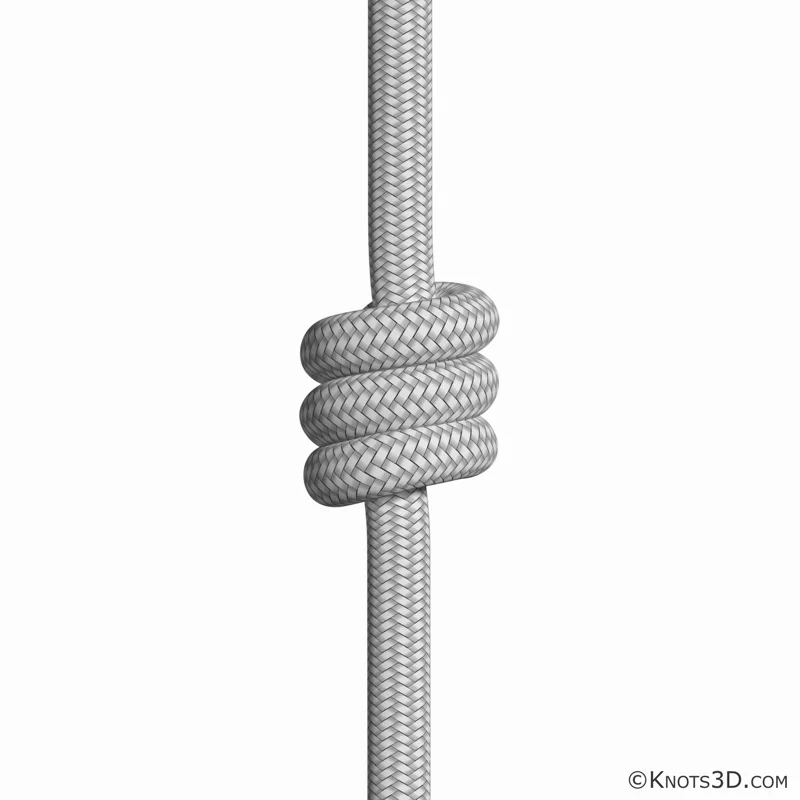
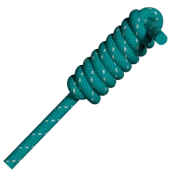
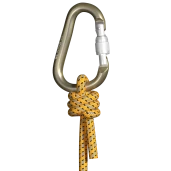
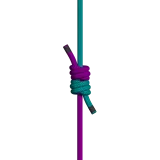
Charles Hamel of the International Guild of Knot Tyers (IGKT) has extensively researched the history of the naming of this knot and, based on his findings, we will refer to the Triple Overhand Knot as the Franciscan Friar's Knot (ABOK #517), and the three-turn heaving line knot as the Capuchin Knot (ABOK #537). To further confuse things, there is evidence that the Triple Roll knot has also been called the Franciscan Friar's Knot. Both the Franciscan Friar's Knot (Triple Overhand and Triple Roll variant) and the Capuchin Knot have three turns that represent the Franciscan vows of obedience, poverty, and chastity. In actuality, both orders use only the Franciscan Friar's Knot (ABOK #517) for their robe belts, according to Hamel.
Structure
Strength/Reliability

Common Uses
- form an attractive stopper at the ends of hoodie strings, curtain pulls or shoelaces.
- make a bulky stopper at the end of a rope.
- add a decorative bump or bead along a cord or lanyard.
- prevent a rope from pulling through a hole or device.
- represent religious vows of obedience, poverty, and chastity.
Found in

